- Early warning signs like cracks, sticking doors, and uneven floors should never be ignored, as they often indicate deeper structural issues.
- Foundation problems can affect the entire home, causing misaligned windows, wall gaps, and visible exterior damage.
- Water damage is a major contributor to structural deterioration, leading to mold growth and weakened materials over time.
- Exterior signs such as cracked brickwork or a leaning chimney can reveal serious underlying structural concerns.
- Structural issues tend to worsen if left untreated, resulting in higher repair costs and potential safety risks.
- Calling a professional early ensures accurate assessment, prevents further damage, and helps maintain your home’s value.
Your home is one of your biggest investments, but many homeowners overlook early warning signs of structural damage until they become costly problems. Structural issues don’t just affect the appearance of your home—they can compromise safety, reduce property value, and lead to long-term damage if ignored. Recognizing these signs early allows you to take action before minor issues escalate into major repairs.
In this guide, we’ll explore the most common indicators that your home may need structural attention. From foundation cracks to uneven floors, understanding these red flags can help you make informed decisions and protect your property for years to come.
What Are the Early Warning Signs of Structural Damage?
Structural damage often begins subtly, making it easy to overlook in its early stages. Small cracks, slight shifts, or minor irregularities may not seem alarming at first, but they can signal deeper issues within your home’s foundation or framework. Recognizing these early warning signs is crucial for preventing more serious complications later on.
Homeowners should regularly inspect their property for changes in walls, ceilings, floors, and exterior surfaces. Even minor inconsistencies can indicate movement or stress within the structure. Paying attention to these early clues allows you to address problems before they become more expensive and disruptive to fix.
Cracks in Walls and Ceilings
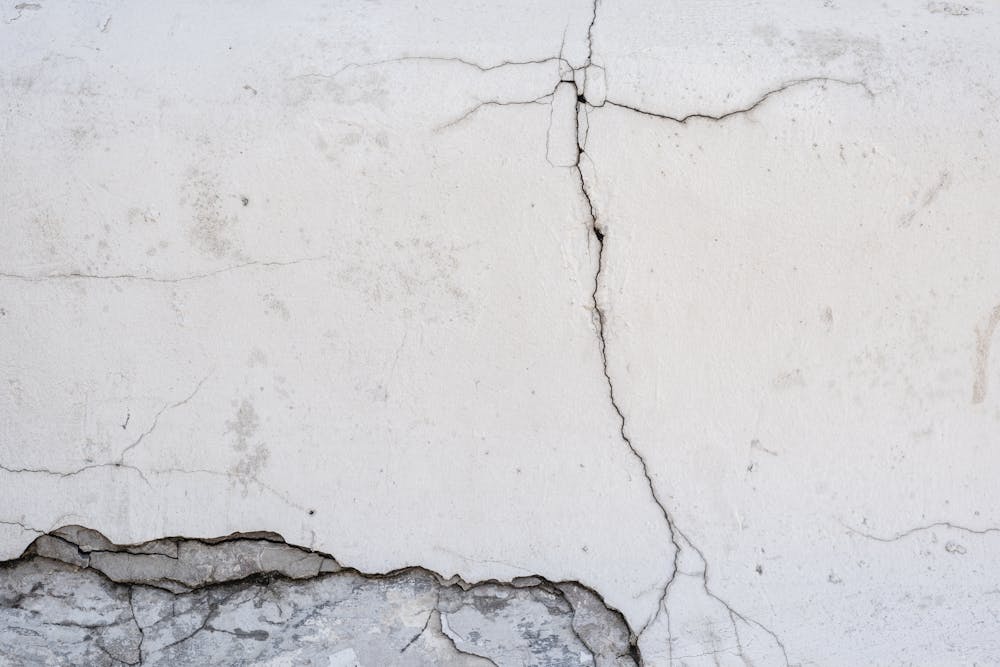
Cracks are one of the most visible signs of structural issues. While hairline cracks can be normal due to settling, larger or widening cracks may indicate significant movement. Vertical cracks are often less concerning, but diagonal or horizontal cracks can signal structural stress.
Pay close attention to cracks that appear suddenly or grow over time. If they are wider than a quarter inch or appear around doors and windows, it may be time to consult a professional.
Uneven or Sagging Floors
Floors should feel stable and level underfoot. If you notice dips, slopes, or soft spots, it could be a sign of foundation issues or weakened support beams. These problems can worsen over time, making walking surfaces unsafe.
Sagging floors may also indicate moisture damage or deterioration of structural components. Addressing the issue early can prevent further damage and costly repairs.
How Do Foundation Problems Reveal Themselves?
The foundation is the backbone of your home, and any issues here can have widespread consequences. Foundation problems often develop due to soil movement, poor construction, or water damage. Because the foundation supports the entire structure, even minor shifts can lead to visible changes throughout the home.
Understanding how foundation issues manifest can help you identify problems before they escalate. By keeping an eye on both interior and exterior signs, homeowners can detect foundation damage early and seek appropriate solutions.
Doors and Windows That Stick
If your doors and windows suddenly become difficult to open or close, it may not just be a humidity issue. Foundation movement can cause frames to shift, leading to misalignment.
You may also notice gaps forming around frames or doors that no longer latch properly. These are common signs that your home’s structure is shifting.
Gaps Around Window Frames
Gaps between walls and window frames are another indicator of foundation movement. These gaps can allow air and moisture to enter your home, leading to additional problems like mold or energy inefficiency.
Over time, these small separations can grow larger, signaling ongoing structural movement that needs professional attention.
Structural Home Repair: Signs You Shouldn’t Ignore
Structural issues can escalate quickly if left unaddressed, turning minor repairs into major renovations. Knowing which warning signs require immediate attention can help you avoid unnecessary risks and expenses. While some problems may seem cosmetic, they often have deeper structural causes that need to be resolved.
Homeowners should prioritize safety and long-term stability when evaluating potential issues. Ignoring critical warning signs can lead to severe damage, including partial structural failure. Being proactive ensures your home remains secure and livable.
Bowing or Bulging Walls
Walls that appear to curve, bulge, or lean are serious indicators of structural stress. This issue is often caused by pressure from soil outside the foundation or weakening internal supports.
If left untreated, bowing walls can collapse, posing a significant safety hazard. Immediate professional evaluation is essential in such cases.
Large or Expanding Cracks in the Foundation
Foundation cracks that are wide, jagged, or expanding over time are a major red flag. These cracks can compromise the integrity of your home and allow water to seep in.
Monitoring crack growth and seeking expert advice can prevent further damage. Early intervention is key to minimizing repair costs.
Are There Exterior Signs of Structural Problems?
Structural issues are not always confined to the interior of your home. In many cases, the exterior provides clear clues that something is wrong beneath the surface. From visible cracks to shifting materials, these signs can help you identify potential problems early.
Regularly inspecting the outside of your home is just as important as checking the interior. Environmental factors like weather, soil conditions, and drainage can all contribute to structural damage, making exterior maintenance essential.
Cracks in Brickwork or Masonry
Exterior cracks, especially in brick or stone, can indicate movement within the structure. Stair-step cracks are particularly concerning, as they often point to foundation issues.
These cracks may start small but can expand over time. Addressing them early helps prevent further structural deterioration.
Chimney Leaning or Separating
A leaning chimney is a clear sign of foundation movement. If the chimney begins to pull away from the house, it can become unstable and dangerous.
This issue often requires immediate repair to prevent collapse and ensure safety.
How Does Water Damage Affect Structural Integrity?
Water is one of the most common causes of structural damage in homes. Excess moisture can weaken materials, erode foundations, and create conditions for mold growth. Over time, water damage can significantly compromise the stability of your home.
Understanding how water impacts your home’s structure can help you take preventive measures. Proper drainage, waterproofing, and regular maintenance are essential for protecting your property from moisture-related damage.
Mold and Mildew Growth
Ongoing moisture problems often create the perfect environment for mold and mildew to develop. Beyond impacting indoor air quality, their presence can signal deeper structural concerns within your home. These issues commonly show up in moisture-prone areas such as basements, crawl spaces, or poorly ventilated rooms.
When not addressed promptly, mold can gradually break down building materials and spread to other areas, leading to more extensive—and costly—repairs over time.
Rotting Wood and Structural Components
Wooden beams and supports are particularly vulnerable to water damage. Rotting wood loses its strength, making it unable to support the structure effectively.
Inspecting exposed wood for signs of decay can help you identify problems early and prevent further damage.
Why Do Floors, Walls, and Ceilings Shift?
Shifts in your home’s structure can occur for various reasons, including soil movement, temperature changes, and poor construction practices. These shifts often manifest as visible changes in floors, walls, and ceilings, signaling potential structural problems.
Recognizing these shifts early allows homeowners to address the root cause before the damage worsens. Regular inspections and maintenance play a crucial role in preserving the integrity of your home.
Ceiling Cracks and Separation
Cracks in ceilings or where walls meet ceilings can indicate structural movement. These cracks may appear as straight lines or irregular patterns.
While some minor cracks are normal, significant separation can signal a deeper issue that requires professional evaluation.
Walls Pulling Away from Each Other
When walls begin to separate or pull apart, it is often due to foundation movement or structural stress. This issue can create gaps and compromise the stability of your home.
Addressing the underlying cause is essential to prevent further damage and ensure safety.
When Should You Call a Professional?
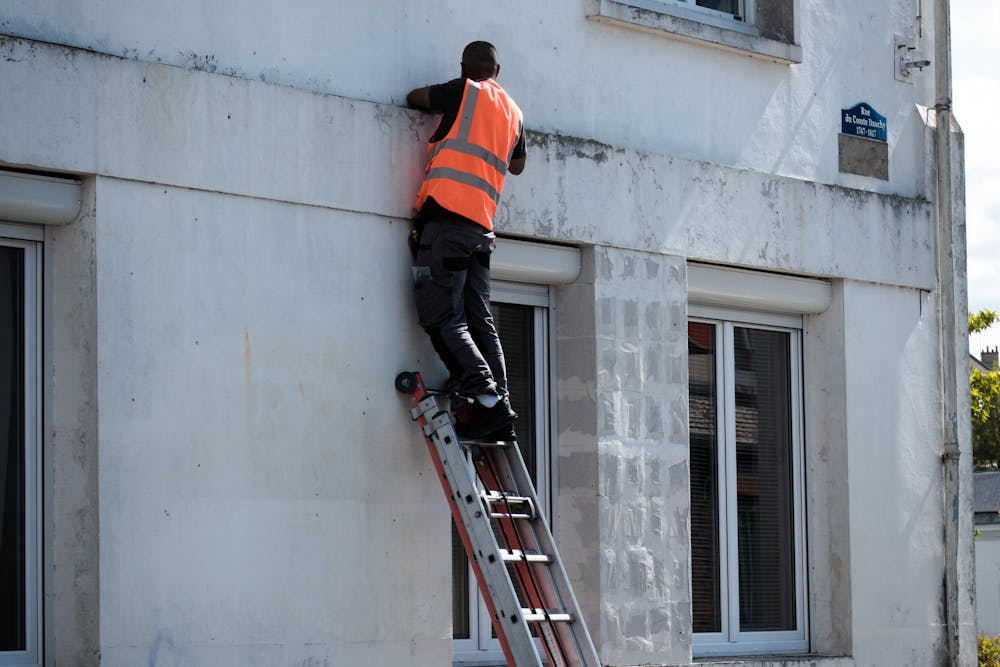
Knowing when to seek professional help is critical in managing structural issues. While some minor problems can be monitored, others require immediate attention from experts. Delaying repairs can lead to more extensive damage and higher costs.
A qualified structural engineer or contractor can assess the situation and recommend appropriate solutions. Their expertise ensures that repairs are done correctly and safely, protecting your home in the long run.
Key Situations That Require Expert Help
- Rapidly expanding cracks
- Significant floor sagging or unevenness
- Doors and windows that no longer function properly
- Visible foundation damage
- Persistent water issues or flooding
Benefits of Early Intervention
- Lower repair costs
- Improved home safety
- Preservation of property value
- Prevention of further damage
Conclusion: Protecting Your Home from Structural Damage
Structural issues can be intimidating, but early detection makes all the difference. By paying attention to warning signs such as cracks, uneven floors, and water damage, homeowners can take proactive steps to protect their property. Regular inspections and timely repairs help maintain the safety and value of your home.
Investing in proper maintenance and professional evaluations ensures that your home remains a secure and comfortable place to live. Don’t ignore the signs—addressing structural problems early can save you time, money, and stress in the long run.
About the Author