Every homeowner understands the frustration of a sudden plumbing emergency. Whether it is a burst pipe flooding a basement or a stubborn clog backing up a bathroom sink, plumbing issues have a way of happening at the most inconvenient times. Beyond the immediate chaos and cleanup, these sudden failures often come with staggering price tags. Fortunately, avoiding these major financial headaches is remarkably straightforward. Investing in proactive plumbing care is one of the most effective ways to protect both a home and a bank account, ensuring minor glitches are caught long before they turn into costly disasters.
Stopping Hidden Leaks Before They Cause Structural Damage
One of the most insidious threats to a home is a hidden leak. Unlike a roaring pipe burst, small leaks inside walls, under floors, or beneath foundations often go unnoticed for months. A pinhole leak in a copper pipe can discharge hundreds of gallons of water over time, quietly decaying wooden framing, ruining drywall, and warping hardwood floors. By the time visible signs like ceiling stains or sagging floors appear, the structural damage is already extensive.
Routine maintenance visits by professional residential plumbers allow for early detection of these covert water leaks. Plumbers use specialized equipment, such as acoustic leak detectors and thermal imaging, to pinpoint moisture accumulation behind surfaces without cutting into walls. Fixing a minor leak early might cost a modest service fee, whereas repairing rotted subflooring, replacing damaged joists, and remediating mold can easily run into thousands of dollars.
Preventing Devastating Water Heater Failures
Water heaters are among the hardest-working appliances in any home, yet they are frequently neglected until the hot water suddenly stops. Over time, sediment like calcium and magnesium settles at the bottom of the water heater tank. This sediment layer acts as an insulator, forcing the unit to work much harder to heat the water. As a result, energy bills spike, and the internal components undergo unnecessary stress, dramatically shortening the lifespan of the appliance.
Moreover, heavy sediment buildup creates hot spots that can crack the protective glass lining of the tank, eventually leading to a catastrophic tank rupture. Flushing the water heater annually cleans out this buildup, restores heating efficiency, and extends the unit’s lifespan. Having experienced residential plumbers inspect the pressure relief valve and replace the sacrificial anode rod as needed prevents sudden tank failures, saving homeowners from buying premature replacement units and paying for emergency water extraction.
Extending the Lifespan of Your Entire Plumbing Network
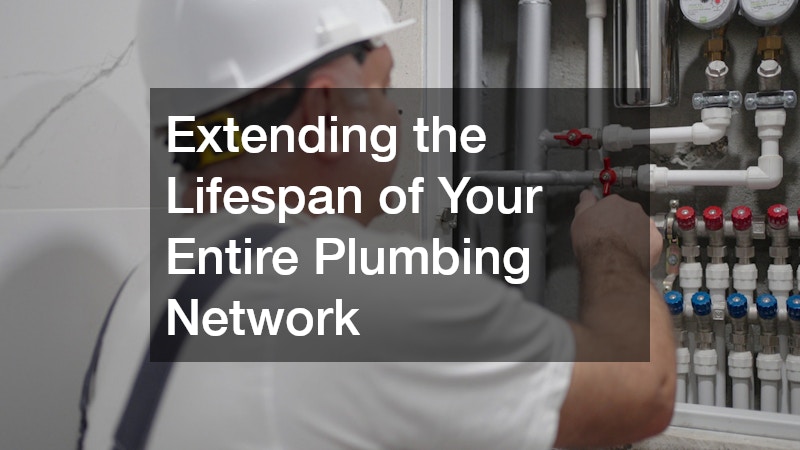
A home’s plumbing network is an interconnected system where a problem in one area places stress on another. High water pressure, for instance, might feel great in the shower, but excessively high pressure constantly strains pipe joints, flexible supply lines, and appliance valves. Over time, this unmanaged stress causes fittings to fail and shortens the operational life of washing machines, dishwashers, and ice makers.
During a routine preventive inspection, qualified residential plumbers measure the home’s water pressure and calibrate pressure-reducing valves to keep water flow within a safe range. Regularly checking pipe connections, inspecting valve seals, and removing mineral deposits from fixtures ensures that the entire system operates smoothly. Extending the working life of pipes and major household appliances by just a few years keeps thousands of hard-earned dollars in a homeowner’s pocket.
Eliminating Severe Drain and Sewer Line Backups
Drain lines are constantly subjected to hair, soap scum, grease, and foreign objects. Over months and years, these substances accumulate along the inner walls of the pipes, gradually narrowing the passage for wastewater. Left unaddressed, a simple slow drain can escalate into a complete sewer line backup, sending foul wastewater flowing back into sinks, tubs, and basement drains.
Sewer line backups cause severe health hazards and demand extensive professional sanitation, carpet replacement, and deep cleaning. Preventive plumbing inspections frequently include video camera line inspections, which allow technicians to view the inside of the main sewer line in real time. Catching tree root intrusions or grease buildup early allows for simple clearing techniques, avoiding expensive excavation projects to replace collapsed underground pipes.
Keeping Monthly Energy and Utility Bills Low
Financial savings from preventive plumbing care are not just realized during major emergencies; they also appear every month on utility bills. A single running toilet can add hundreds of dollars to annual water bills without the homeowner even realizing it. Dripping faucets and slow supply-line leaks similarly drain financial resources over time.
Plumbing maintenance ensures that every toilet flapper, faucet aerator, and valve functions at peak efficiency. When water heaters are free of sediment and pipes are clear of obstructions, the energy required to pump and heat water drops significantly. Over the course of several years, the monthly savings generated by a well-tuned, water-efficient plumbing system accumulate into substantial financial returns, proving that proactive care is always far cheaper than reactive repairs.
Securing Peace of Mind and Long-Term Home Value
Beyond the immediate financial benefits, regular maintenance provides invaluable peace of mind. Knowing that your home’s pipes, fixtures, and water heater are in top working condition frees you from the constant anxiety of unexpected midnight plumbing disasters. It also preserves your property’s resale value, as prospective buyers and inspectors look favorably upon a meticulously maintained plumbing system.
Taking a proactive approach transforms home maintenance from a stressful, unpredictable expense into a manageable investment. By catching subtle wear and tear early, homeowners can comfortably protect their physical property, preserve their monthly budgets, and avoid the devastating costs of major water damage.
About the Author