A busy home often leaves little time for constant yard work, yet outdoor spaces still play a major role in comfort, appearance, and long-term value. Landscaping does not have to be a demanding, time-consuming task to be effective. With the right approach, homeowners can design landscapes that look intentional, polished, and welcoming while requiring far less hands-on upkeep. This balance is especially important for households juggling work schedules, family commitments, and daily responsibilities.
Low-maintenance landscaping focuses on smart plant selection, efficient layout planning, and practical material choices that work together naturally. Rather than relying on frequent watering, pruning, or seasonal replacement, these landscapes are designed to support themselves with minimal intervention. Thoughtful design and surveyor input can also prevent common issues like erosion, overgrowth, and inefficient lawn spraying that quietly add maintenance over time. When landscaping works with the environment instead of against it, upkeep becomes manageable instead of overwhelming.
Another benefit of low-maintenance landscaping is its flexibility. Whether a home sits on a compact suburban lot or a larger property, the same principles apply. Features like efficient irrigation, durable surfaces, and sustainable soil practices reduce the need for constant attention while still supporting healthy plant growth. Even small adjustments can have a meaningful impact. By understanding the foundations of low-maintenance landscaping, homeowners can create outdoor spaces that enhance daily life without demanding it revolve around yard care.
What Are Low-Maintenance Plants?
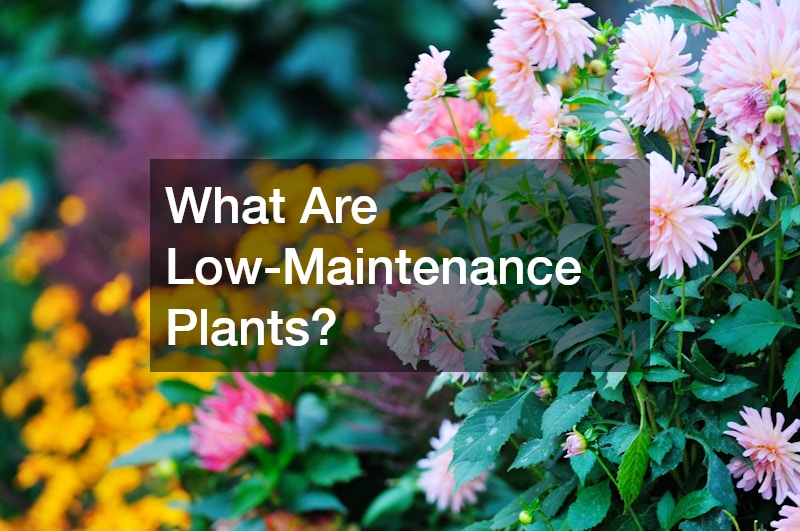
Low-maintenance plants are varieties chosen specifically for their ability to thrive with minimal human intervention. These plants typically require less water, fewer nutrients, and minimal pruning once established. For a busy home, they form the backbone of a landscape that stays attractive throughout the year without frequent upkeep. Instead of fragile or high-demand species, low-maintenance plants are resilient and adaptable to local conditions.
These plants often work well alongside systems such as a garden sprinkler system that delivers consistent but limited water. They are less sensitive to missed watering schedules and seasonal fluctuations, which makes them ideal for homeowners who cannot tend to their yard daily. Their growth patterns are predictable, reducing the need for constant shaping or replacement. Over time, this consistency leads to a more stable and visually cohesive landscape.
Low-maintenance plants also contribute to healthier soil and surrounding features. When paired with proper spacing and soil preparation, they discourage weed growth and reduce erosion. This means less time spent correcting problems and more time enjoying outdoor areas. Selecting the right plants early on allows landscaping to support the home rather than become another ongoing responsibility.
Benefits Of Choosing Low-Maintenance Plants
Choosing low-maintenance plants offers both immediate and long-term advantages. One of the most noticeable benefits is reduced watering demands. Many of these plants are drought-tolerant, which limits reliance on constant lawn spraying and helps conserve water. This efficiency is particularly valuable during dry seasons or in regions with watering restrictions.
Another advantage is lower ongoing care. Low-maintenance plants typically require less fertilizing, fewer pest treatments, and minimal trimming. This reduces the need for specialized tools or professional services. Homeowners can focus on occasional inspections instead of routine intervention. Over time, this also lowers overall landscaping costs while keeping outdoor spaces attractive.
These plants also support a more balanced ecosystem around the home. Native and well-adapted species tend to resist local pests and diseases naturally. Their presence encourages beneficial insects and stabilizes soil conditions. For busy homeowners, this translates into a landscape that largely manages itself, providing visual appeal without constant attention.
Common Types Of Low-Maintenance Plants
Several categories of plants are known for their low-maintenance qualities. Native plants are among the most reliable options because they are already adapted to local climates and soil conditions. Once established, they typically need minimal watering and care. Ornamental grasses are another popular choice, offering texture and movement without frequent pruning.
Perennials with slow growth habits are also well-suited for a low-maintenance landscape. These plants return each year without requiring replanting and often thrive with limited intervention. Ground-hugging shrubs can serve as natural borders, reducing the need for edging and trimming. When combined thoughtfully, these plant types create a cohesive design that complements the home naturally.
Succulents and hardy shrubs are additional options for regions with challenging conditions. Their ability to store water and tolerate heat makes them dependable choices. When paired with efficient soil practices and compost, these plants can remain healthy and visually appealing with minimal effort throughout the year.
How To Design A Low-Maintenance Landscape?
Designing a low-maintenance landscape starts with understanding how space will be used and how natural conditions affect it. Rather than filling every area with plants, successful designs balance greenery with functional surfaces. This approach reduces the amount of care required while still enhancing the home’s exterior. Thoughtful design prevents overcrowding, which is a common cause of excessive maintenance.
Planning ahead also allows homeowners to avoid unnecessary changes later. Establishing clear zones for planting, walkways, and gathering areas helps the landscape mature gracefully over time. Durable materials and efficient layouts minimize wear and tear. This is especially helpful when coordinating features like driveways or walkways that may involve a paving company or asphalt contractor.
Low-maintenance design prioritizes simplicity without sacrificing aesthetics. Clean lines, repeated plant groupings, and intentional spacing create a polished appearance that is easy to maintain. When design choices align with the home’s structure and surrounding environment, the landscape feels cohesive and manageable instead of demanding.
Key Principles Of Landscape Design
Several principles guide the creation of a low-maintenance landscape. One key principle is scale. Plants and features should match the size of the home and the available space. Oversized plants can quickly become unmanageable, while undersized elements may require constant adjustment to fill gaps.
Another principle is repetition. Using the same plant varieties throughout the landscape simplifies care and creates visual harmony. Repetition also makes it easier to identify issues early. Grouping plants with similar needs reduces the risk of overwatering or neglect. This works particularly well when supported by a properly calibrated garden sprinkler system.
Functionality is equally important. Pathways, patios, and open areas should be placed where they naturally fit daily routines. Durable surfaces reduce wear on planted areas and help preserve the landscape’s structure. When design principles are applied consistently, the result is a landscape that supports the home without requiring constant oversight.
Planning For Sustainable Practices
Sustainability plays a major role in low-maintenance landscaping. Planning for efficient water use is one of the most impactful steps. Proper grading, soil preparation, and irrigation design reduce runoff and ensure plants receive water where it is needed most. This limits waste and supports long-term plant health.
Soil health is another critical factor. Incorporating compost improves soil structure and nutrient availability, reducing the need for frequent fertilization. Healthy soil supports stronger root systems, which helps plants withstand stress and reduces maintenance demands. Over time, this foundation allows the landscape to stabilize naturally.
Sustainable planning also includes choosing materials and features that age well. Durable walkways, thoughtfully placed hardscaping, and long-lasting plant selections reduce the need for replacement. These practices benefit both the environment and the homeowner by creating a landscape that remains functional and attractive with minimal intervention.
What Are The Best Ground Cover Options?

Ground covers are an essential component of low-maintenance landscaping because they replace traditional lawns in areas where mowing and watering are impractical. For a busy home, ground covers reduce the need for constant care while still providing visual continuity. They help fill spaces efficiently and protect soil from erosion and weed growth.
Unlike turf grass, ground covers spread naturally and require little upkeep once established. They work well on slopes, around trees, and in shaded areas where lawns struggle. Their ability to thrive with minimal watering makes them a practical alternative to extensive lawn spraying. When chosen carefully, ground covers enhance both appearance and functionality.
Ground covers also support other landscape elements. They create clean transitions between planting beds and hard surfaces. This reduces the need for edging and trimming. By stabilizing soil and retaining moisture, ground covers contribute to a healthier and more manageable landscape overall. Tree companies can typically help guide you on what ground cover would work well with your tree types.
Characteristics Of Ideal Ground Covers
Ideal ground covers share several key characteristics. They grow densely enough to suppress weeds but not so aggressively that they overtake nearby plants. Their growth habits should be predictable, allowing them to fill spaces evenly without constant correction. This balance is essential for maintaining a tidy appearance around the home.
Low water requirements are another important trait. Ground covers that thrive with limited irrigation reduce dependence on complex watering schedules. This makes them well-suited for landscapes designed around efficiency. Many ideal ground covers also tolerate a range of light conditions, increasing their versatility.
Durability is equally important. Ground covers should withstand foot traffic when used near walkways or patios. Their resilience minimizes damage and reduces the need for frequent replacement. These qualities make them a dependable choice for homeowners seeking lasting, low-maintenance solutions.
Popular Ground Cover Plants
Several ground cover plants are widely used for their reliability and low upkeep. Creeping thyme is valued for its dense growth and subtle fragrance. It performs well in sunny areas and requires minimal watering. Periwinkle is another popular option, offering evergreen coverage and seasonal blooms.
Sedum varieties are especially useful in dry or rocky areas. Their succulent nature allows them to store water, making them ideal for low-maintenance landscapes. In shaded areas, plants like pachysandra provide consistent coverage without frequent care. These options adapt well to different climates and conditions.
When integrated thoughtfully, ground cover plants reduce the need for additional features and ongoing care. They work harmoniously with other elements like pavers or walkways, creating clean transitions throughout the landscape. This integration helps maintain a polished look around the home with minimal effort.
How To Create A Xeriscape Garden?
Xeriscaping is a landscaping approach focused on water efficiency and sustainability. For a busy home, it offers a practical way to maintain an attractive yard without constant watering or upkeep. Xeriscape gardens rely on drought-tolerant plants and thoughtful design to reduce maintenance demands.
This approach is especially effective in regions with limited rainfall or water restrictions. By minimizing water use, xeriscaping reduces dependence on irrigation systems while still supporting healthy plant growth. It also complements other low-maintenance features, creating a cohesive and efficient landscape.
Xeriscape gardens emphasize intentional design over abundance. Rather than filling every space with plants, they highlight structure, texture, and contrast. This results in a visually interesting landscape that remains manageable throughout the year.
Principles Of Xeriscaping
Several principles define xeriscaping. Water conservation is the most obvious, achieved through plant selection and efficient irrigation. Plants are grouped based on their water needs, ensuring that resources are used effectively. This reduces waste and supports consistent growth. A surveyor can help with guidance.
Soil improvement is another key principle. Healthy soil retains moisture more effectively, reducing the need for frequent watering. Incorporating organic matter and proper grading supports this goal. Mulching also plays a role by minimizing evaporation and stabilizing soil temperatures.
Xeriscaping also emphasizes appropriate maintenance. While upkeep is minimal, occasional inspections and adjustments keep the landscape functioning as intended. These principles work together to create a sustainable and low-maintenance outdoor space that complements the home naturally.
Steps To Create A Xeriscape Garden
Creating a xeriscape garden begins with evaluating existing conditions. Understanding sun exposure, soil type, and drainage patterns helps guide plant selection. This assessment prevents future issues and supports long-term success. Planning ahead is especially important for maintaining balance and efficiency.
Next, plants are selected based on their ability to thrive with minimal water. Native and drought-tolerant species are prioritized. Hardscape elements such as pathways or seating areas are integrated to reduce planted space and add structure. These features contribute to durability and ease of maintenance.
Finally, the garden is finished with proper soil preparation and mulching. These steps lock in moisture and support healthy root development. Once established, a xeriscape garden requires minimal attention, making it an ideal solution for homeowners seeking simplicity without sacrificing beauty.
What Are Sustainable Landscaping Techniques?

Sustainable landscaping techniques focus on creating outdoor spaces that work in harmony with the environment while reducing long-term effort. For a busy home, sustainability is not just about being eco-conscious; it is about minimizing ongoing labor, water use, and corrective maintenance. When landscapes are designed sustainably, they tend to stabilize faster and require fewer adjustments over time.
These techniques emphasize efficiency and longevity. By reducing waste and supporting natural processes, homeowners spend less time fixing issues like soil degradation or plant failure. Sustainable landscaping also aligns well with low-maintenance goals by preventing problems before they start. This proactive approach makes outdoor spaces easier to manage year after year.
In addition, sustainable techniques improve overall property function. Thoughtful grading, plant placement, and material selection reduce wear on surrounding features. This creates a landscape that feels intentional and dependable, allowing homeowners to enjoy their outdoor environment without constant attention.
Benefits Of Sustainable Landscaping
One of the primary benefits of sustainable landscaping is reduced resource consumption. Efficient water use lowers dependence on frequent irrigation and minimizes stress on plants. This supports healthier growth while reducing the need for adjustments to watering schedules. For homeowners, this means less monitoring and fewer seasonal changes.
Sustainable landscapes also require fewer chemical inputs. Healthy soil and well-chosen plants naturally resist pests and disease. This lowers the need for treatments and ongoing interventions. Over time, the landscape becomes more resilient, which is ideal for maintaining balance around the home.
Another benefit is long-term cost savings. Sustainable practices reduce replacement needs and limit damage caused by erosion or poor drainage. By addressing these factors early, homeowners avoid larger projects later. The result is a landscape that remains attractive and functional with minimal upkeep.
Easy Sustainable Practices To Implement
Several sustainable practices are easy to integrate into an existing landscape. Improving soil quality is one of the simplest steps. Adding compost enriches the soil, supports beneficial organisms, and improves moisture retention. This reduces watering needs and supports consistent plant health.
Efficient irrigation is another practical upgrade. Adjusting watering schedules or improving system layout ensures water is delivered only where needed. This limits waste and prevents overwatering. For a busy home, these adjustments reduce daily oversight while maintaining healthy growth.
Mulching and strategic plant placement further support sustainability. Mulch regulates soil temperature and suppresses weeds, while grouping plants with similar needs simplifies care. These small changes collectively reduce maintenance demands and improve overall landscape performance.
How To Use Hardscaping In Your Landscape?

Hardscaping plays a key role in low-maintenance landscaping by reducing the amount of planted space that requires care. For a busy home, incorporating durable surfaces creates structure and function while minimizing upkeep. Hardscaping elements provide long-lasting solutions that complement natural features.
These elements define outdoor areas clearly, reducing wear on planted sections. Walkways, patios, and seating areas guide movement and prevent soil compaction. When planned thoughtfully, hardscaping enhances usability without increasing maintenance demands.
Hardscaping also supports long-term durability. Materials selected for strength and weather resistance age gracefully. This makes them a reliable foundation for outdoor spaces that require minimal attention over time. Think of it this way: if you have a garage, you want to be able to get from that door to your garden in an efficient way, rain or shine. It’s especially handy if you plan on having garage door repair soon, as they typically know hardscapers who can help in tandem.
Benefits Of Hardscaping Elements
One major benefit of hardscaping is reduced maintenance. Surfaces like stone or concrete do not require watering, pruning, or fertilizing. This significantly lowers the time spent on routine care. For homeowners managing busy schedules, this efficiency is invaluable.
Hardscaping also improves accessibility and safety. Clear pathways and defined areas reduce muddy spots and uneven ground. These improvements make outdoor spaces easier to use and maintain. When coordinated with professionals such as a paving company or asphalt contractor, results are durable and consistent.
Another benefit is visual balance. Hardscaping provides contrast to plantings and highlights architectural features of the home. This balance creates a polished appearance that remains consistent throughout the year, regardless of seasonal plant changes.
Types Of Hardscaping Features
There are many hardscaping options suitable for low-maintenance landscapes. Walkways made from pavers provide durability and flexibility in design. They allow for easy repairs without disrupting surrounding areas. Patios create functional outdoor living spaces with minimal upkeep.
Retaining walls help manage elevation changes and prevent erosion. These structures reduce soil movement and protect planted areas. Decorative stone features can also add texture without requiring maintenance. Each option supports both function and aesthetics.
Hardly hardscaping, garden shed builder input might be useful here, since you might want a paved walkway leading through the garden to a storage solution that’s both handy and aesthetic.
When integrated properly, hardscaping works alongside planted areas rather than competing with them. The result is a landscape that feels intentional and manageable. These features reduce the need for constant care while enhancing overall usability around the home.
Low-maintenance landscaping offers a practical solution for homeowners who want attractive outdoor spaces without constant effort. By focusing on smart plant choices, efficient design, and durable materials, it is possible to create landscapes that largely care for themselves. This approach allows homeowners to enjoy their surroundings instead of managing them.
About the Author
